---
title: Careers in Nursing - Certified Registered Nurse Anesthetist (CRNA)
description: CRNAs, advanced practice nurses, administer anesthesia to patients, collaborating with surgeons, anesthesiologists, dentists, and healthcare professionals.
image: https://info.springerpub.com/hubfs/Logos/GEN-Logo-SpringerFavicon-16x16.png
---
[Skip to content](https://info.springerpub.com/certified-registered-nurse-anesthetist#main-content)
**FREE STANDARD U.S. SHIPPING WITH $50 PURCHASE**

[]({type=EXTERNAL,%20content_id=null,%20href=https://www.springerpub.com/,%20href_with_scheme=https://www.springerpub.com/})
# Careers in Nursing | Certified Registered Nurse Anesthetist (CRNA)
Career Guide, Job Opportunities, News, Educational Resources
[Explore All Nursing Careers](https://info.springerpub.com/careers-in-nursing?hsLang=en)
## Certified Registered Nurse Anesthetist (CRNA)
[](https://go.osu.edu/online-crna-rs)
### This Careers in Nursing Page Is Sponsored By: The Ohio State University Become eligible to be a Certified Registered Nurse Anesthetist (CRNA) with a BSN to Doctor of Nursing Practice degree online from Ohio State [here](https://go.osu.edu/online-crna-rs)
##### Career Overview
Certified registered nurse anesthetists (CRNAs) are advanced practice nurses who provide anesthesia care to patients, often in collaboration with surgeons, anesthesiologists, dentists, and other health care professionals. They work with a high level of autonomy and responsibility. Anesthesia administered by a CRNA compared to that by an anesthesiologist is the same; the difference is the practice by which it is given (nursing versus medicine). In addition to administering anesthesia, CRNAs are responsible for completing a pre-anesthetic assessment, maintaining patient safety while under anesthesia, and managing the patient after discontinuation of anesthesia. CRNAs can work wherever anesthesia is administered: operating rooms in a hospital, ambulatory surgery centers, obstetrical delivery rooms, dentist offices, and more.
**EDUCATIONAL REQUIREMENTS**
RN preparation and graduation from an accredited master’s level nurse anesthesia
program are both required. Passing the National Certification Exam by the National
Board of Certification & Recertification of Nurse Anesthetists after graduation is
essential. Nurses also need at least 1 year of clinical experience in an intensive care
setting, such as an intensive care unit, prior to entering a graduate in nurse anesthesia
program. Basic life support and advanced cardiac life support certification are also
required.
**CORE COMPETENCIES/SKILLS NEEDED**
- Critical thinking skills
- Thorough knowledge of medications administered by CRNAs
- Ability to make important decisions quickly under stress
- Strong computer and documentation skills
- Excellent communication skills
- Excellent assessment skills and advanced knowledge of anatomy, physiology,
pathophysiology, and pharmacology
**RELATED WEBSITE AND PROFESSIONAL ORGANIZATION**
- American Association of Nurse Anesthetists ([www.aana.com](http://www.aana.com))
- International Federation of Nurse Anesthetists ([ifna.site](http://ifna.site))
- National Board of Certification & Recertification of Nurse Anesthetists
([www.nbcrna.com](http://www.nbcrna.com))
### Relevant Articles
### Explore Certified Registered Nurse Anesthetist (CRNA) Jobs
## Check out Certified Registered Nurse Anesthetist (CRNA) Resources
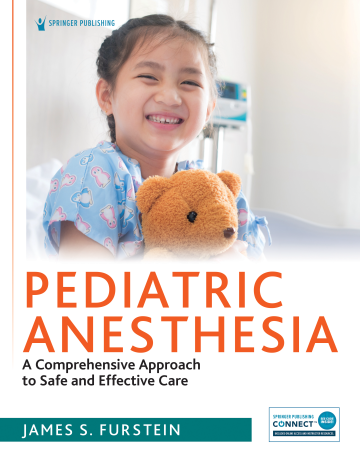
### Pediatric Anesthesia
***Emphasizing safety, efficacy, and evidence, this is the only text representative of the multidisciplinary effort requisite to ensure delivery of optimal pediatric anesthesia care.***
Featuring the expert perspectives of over 120 professionals across disciplines, this highly anticipated text is designed to meet the needs of nurse anesthesia students and certified registered nurse anesthetists responsible for providing anesthesia for infants and children. Distinguished by its multidisciplinary, practical approach, this user-friendly text delivers a comprehensive survey of all key aspects of the field, including evidence-based techniques and current trends. With brief and consistent chapters organized by body system, this text offers readers a solid foundation in pediatric anatomy, physiology, pharmacology, and anesthetic care to ensure the delivery of best practices in the clinical arena.
With patient safety at the forefront, brief procedural chapters review the indications, unique aspects of the preoperative evaluation, and a step-by-step guide to delivering anesthesia for a variety of common and complex procedures, as well as clinical pearls, complications management, and postoperative care considerations. More than 35 case studies illustrate application of anesthetic techniques in practice and foster critical thinking and discussion. Abundant figures and tables illustrate key points and aid in retention. Instructor resources include an instructor's manual with additional case studies, PowerPoints, and a test bank.
**Key Features:**
- Presents the entire range of anesthetic procedures organized by body system
- Demonstrates advanced techniques and aids retention through case studies, illustrations, tables, and images
- Covers special topics including fetal surgery, neonatal emergencies, transplant surgery, pain management, ERAS protocols, non-operating room anesthesia, and ethical considerations
- Includes online resources for emergency medication dosing, age-based parameters, antibiotic prophylaxis, and case plan templates
- Includes an instructor's manual with additional case studies, PowerPoints, and a test bank.
*Purchase includes access to eBook for use on most mobile devices or computers.*
[Buy Now](https://www.springerpub.com/9780826138743)
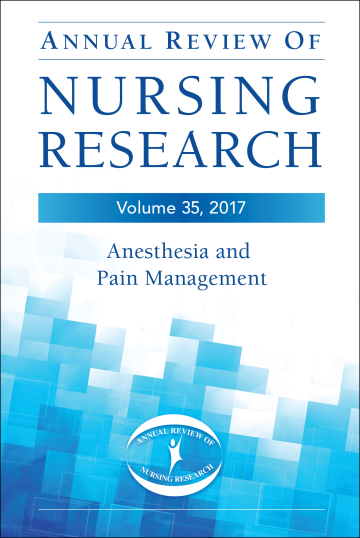
### Annual Review of Nursing Research, Volume 35
Advances in the delivery and monitoring of anesthesia care have expanded and improved exponentially in the last 30 years. These advances have been driven by a persistent search for best practices based on a foundation of evidence-based care. It is this interest in translation of research to practice that spawned this 35th edition of the *Annual Review of Nursing Research*, the first of this series to address anesthesia care.
This volume bridges that gap for all those involved or interested in clinical anesthesia care including nurse anesthetists, physician anesthesiologists, anesthesia assistants, and postanesthesia care unit nurses. It aims to identify current topics in anesthesia care that generate discussion and disagreement with respect to the available research and evidence and therefore application of best practices.
Each author was specifically selected for their interest, expertise, and knowledge of the chapter topic but just as importantly for their direct exposure to the issue within their personal clinical experience. The material provides the busy clinician with the most up-to-date information and recommendations on topics germane to everyday practice.
**Key Topics:**
- Preparing Anesthetists to Manage Cannot Intubate/Cannot Ventilate Situations
- Anesthetic Implications of Obesity and Obstructive Sleep Apnea
- Anesthesia Information Management Systems
- Acupuncture and Chronic Pain Management
- Anesthesia Involvement in Palliative Care
- Forced-Air Warmers and Surgical Site Infections in Patients Undergoing Knee or Hip Arthroplasty
- The Neurotoxicity of General Anesthetic Drugs: Emphasis on the Extremes
[Buy Now](https://www.springerpub.com/9780826142849)

### Chemistry and Physics for Nurse Anesthesia
With a focus on chemistry and physics content that is directly relevant to the practice of anesthesia, this text--written in an engaging, conversational style--supplies all the scientific information required for the combined chemistry and physics course for nurse anesthesia students. Now in its third edition, the text is updated and reorganized to facilitate a greater ease and depth of understanding. The addition of a third author--a practicing nurse anesthetist--enhances the clinical relevance of the scientific information. Clinical scenarios now begin every chapter, and a concluding chapter, new to this edition, provides detailed, step-by-step solutions to the book's review questions. Also included is a comprehensive list of need-to-know equations.
The third edition retains the many outstanding learning features from earlier editions, including a special focus on gases, the use of illustrations to demonstrate how scientific concepts relate directly to their clinical application in anesthesia, and end-of-chapter summaries and review questions to facilitate self-assessment. Fifteen online videos enhance teaching and learning, and abundant clinical application scenarios help reinforce scientific principles and relate them to day-to-day anesthesia procedures. This clear, easy-to-read text will help even the most chemistry- and physics-phobic students to master the foundations of these sciences and competently apply them in a variety of clinical situations.
**NEW TO THE THIRD EDITION:**
- Increased focus on clinical relevance
- Revised and updated chapters foster ease of understanding
- Clinical application scenarios open each chapter
- A new chapter provides guidance about calculator use and a unique problem-solving method
- Detailed step-by-step solutions clarify answers to end-of-chapter problems
- Comprehensive list of all key equations with explanation of symbols
**KEY FEATURES:**
- Written in an engaging, informal style for ease of understanding
- Focuses solely on chemistry and physics principles relevant to nurse anesthetists
- Provides end-of-chapter summaries and review questions
- Fifteen online videos enhance teaching and learning
- Includes abundant illustrations that apply theory to practice
[Buy Now](https://www.springerpub.com/eyehubspot/link/product/id/9067)
[](https://go.osu.edu/online-crna-rs)
## Sponsor: The Ohio State University
Ohio State’s online DNP Nurse Anesthesia program allows nurses with critical care experience to advance their skills and careers toward becoming Certified Registered Nurse Anesthetists (CRNAs). Earn your master's degree and Doctor of Nursing Practice degree in this 36-month program where you will learn how to provide the best patient care in any setting where anesthesia is provided.
[LEARN MORE](https://online.osu.edu/doctoral-degree/bsn-doctor-nursing-practice-anesthesia/?utm_campaign=oaa_oso_bsndnp-crna-student-recruitment_fy25_daily-nurse&utm_source=response-solutions&utm_medium=display)
[Explore All Nursing Careers](https://info.springerpub.com/careers-in-nursing?hsLang=en)
[](https://www.springerpub.com/)
© 2025 Springer Publishing Company
OUR CONTENT
[Books](https://www.springerpub.com/books)
[Journals](https://www.springerpub.com/journals)
[Reference](https://www.springerpub.com/reference-works.html)
[Blog](https://www.springerpub.com/blog)
[Videos](https://www.springerpub.com/videos)
[Free Exam Prep Quizzes](https://www.springerpub.com/examprep/free-questions)
RESOURCES FOR
[Students](https://www.springerpub.com/students)
[Educators](https://www.springerpub.com/educators)
[Partners & Institutions](https://www.springerpub.com/institutions)
[Authors](https://www.springerpub.com/authors)
[Advertisers](https://www.springerpub.com/advertisers)
COMPANY INFO
[Contact Us](https://www.springerpub.com/contact-us)
[Who We Are](https://www.springerpub.com/springer-publishing-who-we-are)
[Careers](https://www.springerpub.com/springer-publishing-careers)
[Help](https://www.springerpub.com/customer-service)
[Permissions](https://www.springerpub.com/permission-requests)
[Privacy Policy](https://www.springerpub.com/privacy)
[Terms of Use](https://www.springerpub.com/app_termsandconditions)
Springer Publishing is a uniquely responsive healthcare education and exam prep company specializing in nursing, advanced practice nursing, social work, and behavioral and health sciences education, certification, and licensing exam prep materials. In collaboration with expert authors and educators, we create engaging and accessible textbooks and e-books, exam prep tools, instructor resources, journals and clinical reference books. We are champions of growth in these professions, knowing that our work together advances careers, improves outcomes, and impacts lives.