

Skip to content
FREE STANDARD U.S. SHIPPING WITH $50 PURCHASE
GEN_Logo_Springer_wtagline_1920x374

GEN-Logo-Springerwtagline-1920x374

Careers in Nursing | School Nurse

Career Guide, Job Opportunities, News, Educational Resources

School Nurse 

Career Overview

The school nurse practices professional nursing within an educational setting with the goal of assisting students to develop to their greatest physical, emotional, and intellectual ability. School nurses promote health and safety practices and provide interventions to actual and potential health problems. These nurses respond to acute injuries within the school population, as well as assist students to manage chronic conditions, such as food allergies, asthma, and other illnesses. Practice settings include school systems, state health departments, and county health departments.

EDUCATIONAL REQUIREMENTS

RN preparation is required. Some school systems and/or health departments now require that school nurses have baccalaureate or master’s degrees in nursing. Certification is available from the National Board for Certification of School Nurses.

CORE COMPETENCIES/SKILLS NEEDED

  • General experience with children
  • Strong foundation in physical assessment and first aid and emergency care
  • Solid skill base and understanding of pediatric medicine
  • Knowledge of developmental stages in order to provide age-appropriate care
  • Strong communication and interpersonal skills to assess and determine the
    health care needs of the children and their families
  • Computer skills to chart and track students’ records and immunization status
  • Ability to relate to children and communicate with patients and the school
    community
  • Ability to provide health education
  • Medication management of children while they are in school
  • Skill to participate as a member of a multidisciplinary educational team and
    collaborate with other members of the educational environment
  • Ability to provide care for minor ailments such as a scraped knee as well as
    potentially serious conditions such as an allergic reaction or a major injury
  • Ensure the safety and well-being of all the children in the school
  • Ability to deal with issues such as school violence, suicide, and unwanted teen
    pregnancies

RELATED WEBSITE AND PROFESSIONAL ORGANIZATION

Relevant Articles

Explore School Nurse Jobs

School Nurse Resources

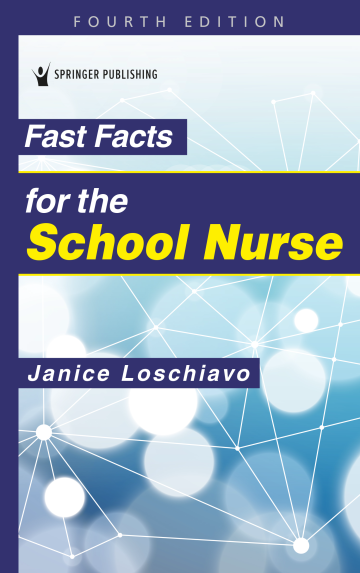
Fast Facts for the School Nurse image

Fast Facts for the School Nurse

Fast Facts for the School Nurse provides quick access to information that busy school nurses need to practice competently and efficiently. Written by a nurse with more than 25 years of school nursing experience, this consistently organized reference offers straightforward guidelines to a range of daily tasks and nursing responsibilities. It provides clinical protocols for safe management of common childhood illnesses, accidents, and emergencies, along with legal and ethical considerations, documentation, and high-risk areas in school nursing practice.

The fourth edition has been substantially revised. Of significance is the first chapter which provides Words of Wisdom from school nurses and self-help guidance. Included also is expanded coverage of mental health issues, gender identity and transgenderism, and drug use. Information on technology in the school health office will also be updated. In addition, the new edition features new information on the COVID-19 pandemic and its lasting influence on school nursing practice. The summary questions at the end of each chapter will provide readers with immediate feedback.

Most school nurses are thrown into their positions with little or no experience or orientation to the school setting. Finding appropriate resources is difficult. Fast Facts for the School Nurse provides the concise and practical information needed for immediate school nurse performance and is suitable for both the nurse new to practice and the experienced school nurse.

New to This Edition:

  • Guidance in answering difficult questions posed by students, teachers, parents, and administrators.
  • "Words of Wisdom" from school nurse colleagues and self-help suggestions for a healthier you.
  • New chapter dedicated to the National Association of School Nurses’ 21st Century Framework for School Nurse Practice™
  • New chapter on pandemic awareness, readiness, and steps a school nurse must take
  • Expanded chapter on technologies for the school health office
  • Updated information on mental health issues and awareness including depression, anxiety, stress
  • Expanded chapter dealing with gender identify issues including transgender
  • Additional information on use of marijuana and vaping
  • Review questions at the end of each chapter (with answers and rationale)

Key Features

  • Addresses the five content components included in the National Certification Examination for School Nurses—health problems and nursing management, health appraisal, health promotion and disease prevention, professional issues, and special health needs
  • Covers guidelines, management protocols, and care plans for childhood disorders, accidents, and emergency situations
  • Includes new information on pandemic readiness and measures, mental health conditions, substance abuse, sexual orientation, and emerging technologies.
  • Provides quick reference for health office set up, recommended immunizations, national health observances, and a handy month-by-month calendar

School Nursing: The Essential Reference image

School Nursing: The Essential Reference

Delivers the critical information school nurses need for effective practice

School Nursing: The Essential Reference provides comprehensive coverage of school nursing—from key foundational principles and best practices for the care and management of students to the future of school nursing practice. Edited and authored by experts in the field, this multidisciplinary reference offers full background on the scope and standards of school nursing, interdisciplinary practices, coordinated school health programs, cultural competency, and laws and ethics. It also provides tools for the school nurse to thrive as an advocate, health educator, and leader.

School Nursing: The Essential Reference provides evidence-based clinical protocols for the management of acute and chronic illnesses and issues confronted by the marginalized student. Sexual orientation and gender identity are explored, as are violence toward self and others, emergency and disaster preparedness, and the impact of COVID-19. This guide is useful not only for novice and experienced school nurses, but also for school-nursing students and those preparing for state or national certification exams. Supplementary online resources include more than 100 multiple-choice review questions that can be used by school nurses to test themselves on essential knowledge to prepare for practice, or by instructors in the classroom setting.

Key Features:

  • Provides comprehensive coverage of all elements of school nursing practice
  • Highlights best practices for the care and management of students, including the marginalized student
  • Addresses sexual orientation and gender identity, violence toward self and others, emergency, and disaster preparedness
  • Discusses the impact of COVID-19 on school nursing practice and related management strategies
  • Provides more than 100 multiple-choice review questions in an online supplementary resource
  • Offers tips for the school nurse to thrive as advocate, health educator, and leader
  • Purchase includes access to the eBook for use on most mobile devices or computers.

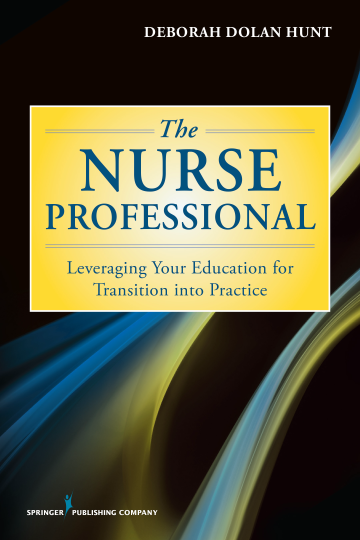
The Nurse Professional image

The Nurse Professional

"Nursing school did not adequately prepare me for this role" and "Why didn't anyone tell me about this when I was a student?" are commonly heard complaints from new nurses during their first two "rite of passage" years following graduation. But this transition to professional practiceófraught with challenges, anxiety, triumphs, and tearsódoes not have to be so difficult. The Nurse Professional helps novices prepare for their transition into a "real world" role from being a student through graduation, NCLEX success, job search, first job, and beyond. It is the only book to cover all of the steps that new nurses must take to ensure a smooth transition into the professional role.

The author is a nurse educator and mentor with extensive experience in recruiting and orienting nurses. Dr. Hunt is also co-founder of the Nurse Advocacy Forum, providing advocacy, support, networking, professional development, leadership, and mentoring to students and new graduate nurses. She offers sound advice regarding the most current issues facing new nurses and practical strategies for obtaining a job of one's choice, describes steps to take well before graduation to ensure a smooth transition to professional practice, and addresses the various indicators of academic achievement that are required for employment at some nursing facilities. She also discusses the benefits of externships, internships, professional development, and networking, how to develop a winning portfolio, and how to successfully transition into professional practice. This book provides information on workplace bullying and how to deal with it; the importance of self-care, self-advocacy, and networking; writing a rÈsumÈ; interview skills; and much more. "Top 10 Tips" in each chapter concisely highlight important topics. Samples of useful forms and documents are available in chapter appendices. A PowerPoint presentation and templates for role play/simulation scenarios for faculty use are also available.

Key Features:

  • "Top 10 Tips" in chapters concisely highlight important topics

  • Samples of useful forms and documents are available in chapter appendices

  • Delivers specific, practical strategies and exercises for a successful transition and entry into practice

  • Written by an experienced nurse/educator and nurse mentor who has extensive experience regarding how new nurses transition into practice